
By TOE Guide | Public Health Awareness
Nigeria has confirmed a case of Ebola virus disease in Abuja, raising concerns about public health, safety and the possibility of further infections. The Federal Government announced the case on October 20, 2026, following laboratory confirmation of the infection in a woman who had recently travelled to Nigeria.
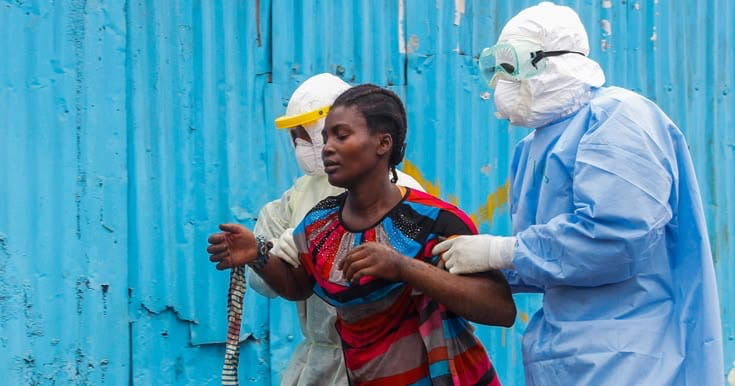
According to reports, the patient is receiving medical care in isolation, while health authorities have identified 44 contacts and commenced contact tracing to establish who may have been exposed.
Although the news is concerning, Nigerians are urged to remain calm, take appropriate precautions and rely on verified information rather than rumours.
What Happened in Abuja?
The confirmed case involves Bundibugyo ebolavirus, a specific type of Ebola virus. The patient reportedly received treatment at a private health facility in Abuja before laboratory testing confirmed the infection.
Following the announcement, the Federal Ministry of Health, the Nigeria Centre for Disease Control and Prevention (NCDC), FCT health authorities and international health partners began coordinating response measures to prevent further transmission.
The 44 people identified so far are contacts being investigated or monitored. They should not be mistaken for 44 additional confirmed cases.
Authorities are continuing to investigate the patient's travel history, possible source of infection and other potential exposures. At the time of the announcement, the available official information did not establish widespread transmission across Abuja.
How Could Ebola Affect Nigeria?
The impact of this incident will depend largely on whether the virus is contained or additional infections emerge.
1. Public health and hospitals
A larger outbreak could place additional pressure on hospitals, laboratories, healthcare workers and emergency response services. Hospitals would need to strengthen infection-prevention procedures, while healthcare workers would require appropriate protective equipment and training.
2. Businesses and economic activities
Fear of infection can affect businesses even before widespread transmission occurs. Hotels, restaurants, transport operators, event organisers and other businesses could experience cancellations or reduced customer activity if public anxiety increases.
3. Travel and international confidence
Nigeria may need to strengthen health surveillance and coordinate with other countries to identify potentially exposed travellers. Unnecessary restrictions or widespread misinformation could also affect tourism, trade and international confidence.
4. Government resources
Additional funding may be required for contact tracing, testing, medical supplies, protective equipment and public-health education. The scale of these costs will depend on the duration of the response and whether further cases emerge.
These are potential consequences, not confirmation that such disruptions are already occurring. The immediate priority is to contain the infection and prevent further transmission.
How Does Ebola Spread?
Ebola is primarily transmitted through direct contact with the blood or other bodily fluids of an infected person who has developed symptoms. Transmission can also occur through contaminated objects, such as bedding and medical equipment, or contact with infected animals.
Unlike influenza and other common respiratory infections, Ebola does not generally spread simply because people occupy the same room or pass one another in public.
People at increased risk include healthcare workers without adequate protective measures, family members caring for infected people, and anyone who comes into direct contact with infectious bodily fluids.
Being in Abuja, using public transport or attending a public event does not automatically mean someone has been exposed.
Prevention Measures: How Nigerians Can Stay Safe
As investigations continue, residents of Abuja and other parts of Nigeria should practise sensible precautions.
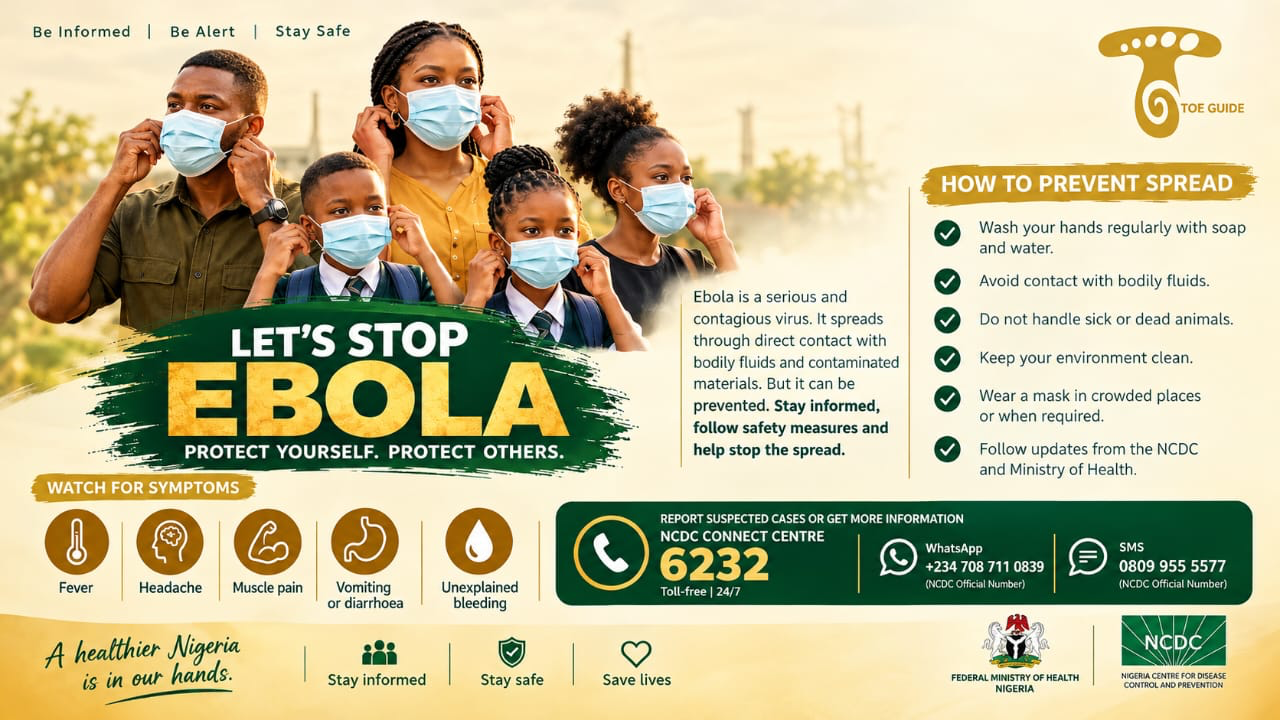
1. Wash your hands regularly.
Use soap and running water, especially before eating, after using the toilet and after caring for someone who is ill. Use a suitable alcohol-based hand sanitiser when soap and water are unavailable.
2. Avoid contact with bodily fluids.
Do not touch another person's blood, vomit, diarrhoea or other potentially infectious fluids. Avoid handling contaminated clothing, bedding or medical waste. Suspected contamination should be managed by trained personnel.
3. Handle animals and food safely.
Avoid contact with sick or dead wild animals. Do not handle or consume animals found dead or suspected of being infected. Practise proper food hygiene and wash your hands after handling raw meat.
4. Follow public-health instructions.
If you have been in direct contact with a confirmed case or are contacted by a health official for monitoring, cooperate fully. Do not ignore instructions or conceal information about possible exposure.
5. Avoid spreading misinformation.
Do not circulate unverified reports about alleged new cases, hospital locations, patient identities or supposed cures. False information can create unnecessary panic and interfere with public-health efforts.
6. Do not stigmatise people.
Having travelled internationally, working in healthcare or living in a particular neighbourhood does not mean someone has Ebola. Public awareness should encourage responsible behaviour, not discrimination.
What Symptoms Should You Watch For?
Ebola symptoms can develop between two and 21 days after exposure. Early symptoms may resemble malaria, typhoid or other illnesses, so symptoms alone cannot confirm the infection.
Possible symptoms include:
• Sudden fever.
• Severe headache.
• Muscle and joint pain.
• Unusual weakness.
• Vomiting and diarrhoea.
• Abdominal pain.
• Unexplained bleeding, which occurs in some cases.
Anyone experiencing compatible symptoms after a possible exposure should contact public-health authorities immediately.
Do not attempt to diagnose yourself or rely on unproven home remedies. If Ebola exposure is possible, call ahead before visiting a hospital so that appropriate arrangements can be made to protect you, other patients and healthcare workers.
Where Can Nigerians Get Help?
The Nigeria Centre for Disease Control and Prevention (NCDC) provides public-health information and guidance on reporting suspected cases.
NCDC Connect Centre: 6232
Nigerians should also consult the official NCDC website at https://ncdc.gov.ng/ and the Federal Ministry of Health at https://health.gov.ng/ for verified announcements and updated guidance.
If you suspect exposure, explain your circumstances clearly and follow the instructions provided by public-health officials.
What Should Abuja Residents Do Now?
Residents do not need to abandon their normal activities solely because one case has been confirmed. However, everyone should remain informed, practise good hygiene and take possible exposure seriously.
Continue with essential daily activities unless authorities issue specific restrictions. Cooperate with contact-tracing teams, avoid direct contact with bodily fluids and seek prompt guidance if you develop symptoms following a possible exposure.
Nigeria has experience responding to Ebola, including the 2014 outbreak. That experience provides valuable lessons, but effective containment still depends on early detection, responsible public behaviour and a coordinated public-health response.
The Bottom Line
Nigeria has confirmed an Ebola case in Abuja, and authorities have identified 44 contacts for investigation and monitoring. The patient is receiving care in isolation, while contact tracing and other response measures continue.
The situation deserves attention, but the confirmed case does not automatically mean that widespread transmission is occurring in Abuja or across Nigeria.
The priority is to prevent additional infections, protect healthcare workers, identify exposed individuals and communicate accurate information.
Stay informed. Practise good hygiene. Report possible exposure promptly. Do not panic or spread rumours.
This article is for public awareness and does not replace official medical advice. Information may change as investigations progress. Readers should consult the NCDC, the Federal Ministry of Health and the World Health Organization for the latest verified updates.
Source references:
• Nigeria Centre for Disease Control and Prevention: https://ncdc.gov.ng/
• Federal Ministry of Health and Social Welfare: https://health.gov.ng/
• World Health Organization Africa: https://www.afro.who.int/